



click click click
49262
Signals
https://www.makeuseof.com/static-vs-dynamic-nfts-how-do-they-differ/

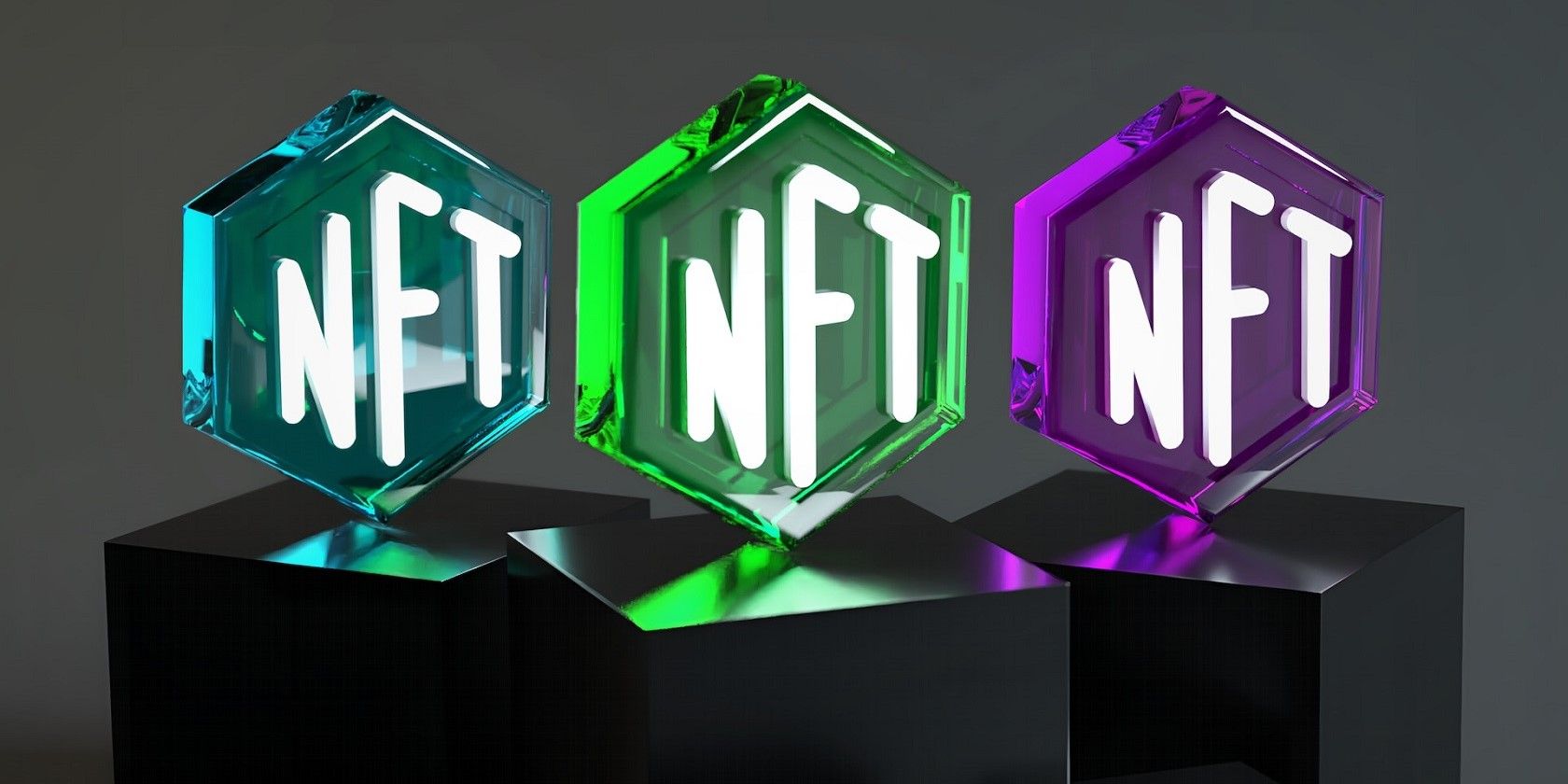
Since the launch of the first non-fungible token (NFT) in 2014, the technology has massively improved. Initially, NFTs were static, representing art and other digital collectibles that can't change. Then, dynamic NFTs (dNFTs) were created to expand the possibilities of non-fungible tokens.
So...
So...
51004
Signals
https://spaceflighthistory.blogspot.com/2016/12/energy-from-space-department-of.html?spref=tw
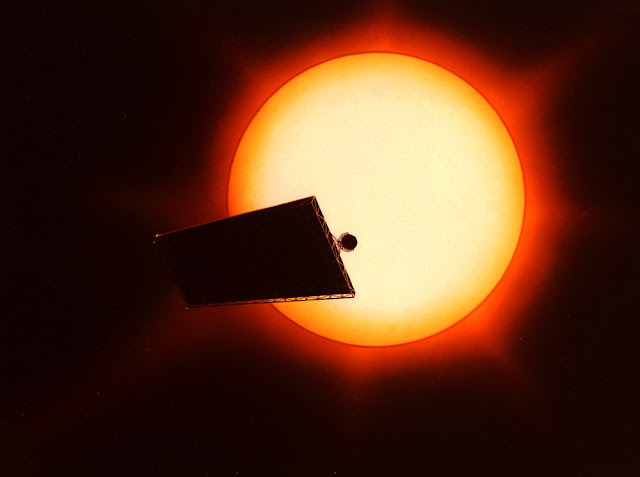
Of all the many spaceflight concepts NASA has studied with any degree of seriousness, probably the most enormous was the Solar Power Satellite (SPS) fleet. Czech-born physicist/engineer Peter Glaser outlined the concept in a brief article in the esteemed journal Science in November 1968, and was awarded a patent for his invention on Christmas Day 1973.
50313
Signals
https://www.billboard.com/music/pop/grimes-considers-rules-ai-vocal-project-1235314653/

Grimes loves to push the envelope. But after telling her fans that she's down with "open sourcing all art and killing copyright" in a series of tweets on Sunday night, and offering to split royalties 50/50 with any successful AI-generated song that uses her voice," the no rules singer realized...
50228
Signals
https://www.ubergizmo.com/2023/04/silver-nanowire-networks-seems-to-mimic-human-brains-learning-and-memory-abilities/?taid=6447fcc4842be500017abaeb

Generative AI models (like ChatGPT and DALL-have enabled the production of human-like creative content from simple prompts, even so, these systems are not structured like human brains and lack similar learning and memory capabilities; but in a recent study published in Science Advances, researchers explored non-biological systems that mimic the brain's structure and functionality, and they found that self-organizing networks of tiny silver wires — called nanowires — appear to learn and remember in a way similar to the "thinking hardware" in our brains.
49812
Signals
https://www.timescolonist.com/entertainment/haunting-ej-hughes-work-on-the-block-for-first-time-in-75-years-6896176?%3Futm_source=twitter

VANCOUVER — In 1940 the Alma Mater Society at the University of British Columbia started collecting 15 cents per student to put together an art collection. In 1948, the non-profit student organization purchased its first artwork, the E.Hughes painting Abandoned Village, Rivers Inlet, for $150. Seventy-five years later, it's going up for sale at Heffel's May 25 auction of postwar and contemporary art.

